Designing Schools Where Every Student Belongs
Insights, tools, and research on building inclusive school cultures through intentional design
By Christopher DeLoach, Ed.D. — SEL Strategist and Creator of the Belonging by Design Framework
Latest Articles
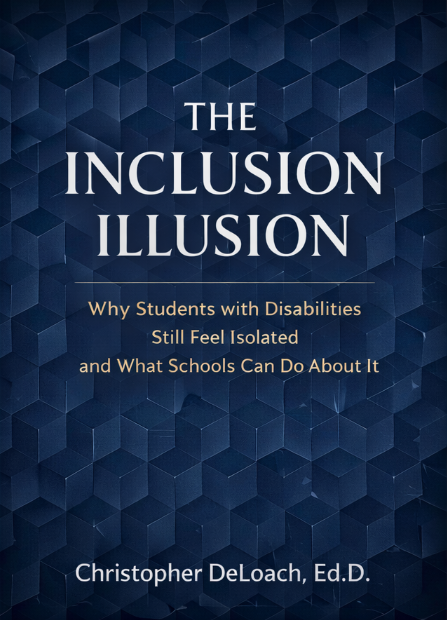
The Inclusion Illusion
Why Students With Disabilities Still Feel Isolated — and What Schools Can Do About It
This book explores why physical inclusion does not always lead to social belonging and how schools can intentionally design structures that help students build meaningful peer relationships.
Belonging by Design Framework
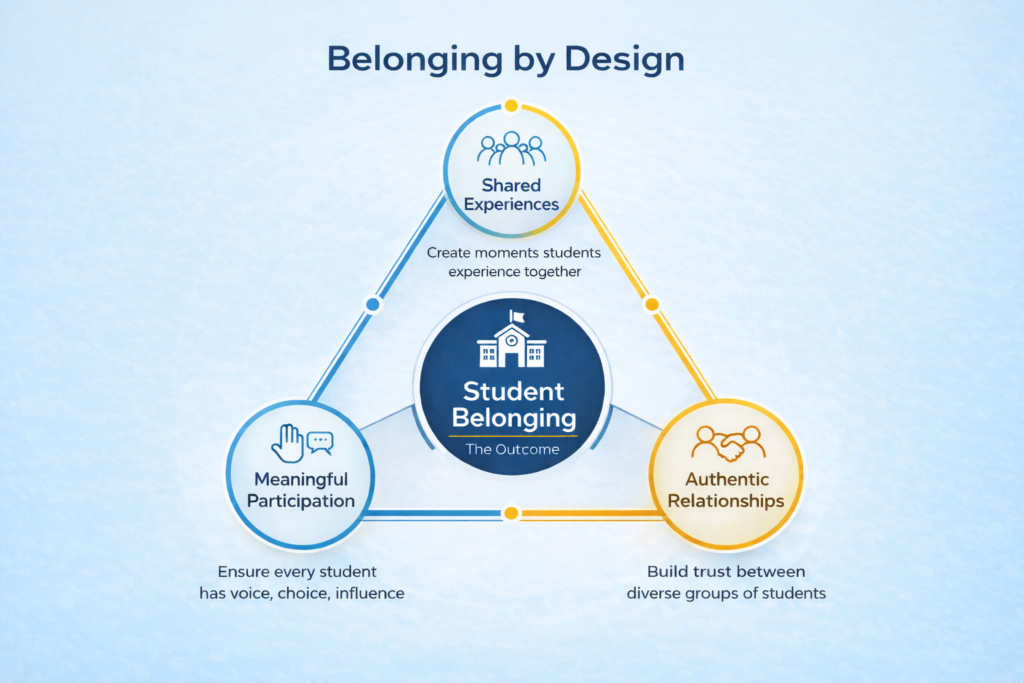
Belonging does not occur by chance.
It is the result of intentional systems that create shared experiences, meaningful participation, and authentic relationships.
The Belonging by Design Framework identifies three structural conditions that schools can build to foster authentic student belonging across campus.
Shared Experiences
Creating opportunities for students to participate together. Shared experiences allow students to develop connection through common participation. When students engage in activities together, they begin to see themselves as part of a community rather than isolated individuals.

Structured Interaction
Designing meaningful roles within the school environment. Students develop belonging when they have a place within the system. Structured interaction ensures students are not only present but actively contributing to the learning community.
Relational Routines
Establishing consistent practices that strengthen relationships. Relationships grow through consistent and predictable interaction. Relational routines create regular opportunities for students and adults to build trust and connection.
Free Tools for Educators
This section introduces practical resources for educators.
At launch, the featured resource will be:
30 Day Riddle Challenge
A simple advisory-class activity that teachers can use with students to promote engagement, thinking, and classroom connection.
Consulting
Schools often want stronger belonging, better student culture, and more effective inclusion — but many do not have a clear structure for how to build it.
Dr. Christopher DeLoach works with schools and districts to design practical systems that strengthen peer culture, student leadership, and inclusive practices that function in real classrooms.